About us

Solutions
Products
Content


Por
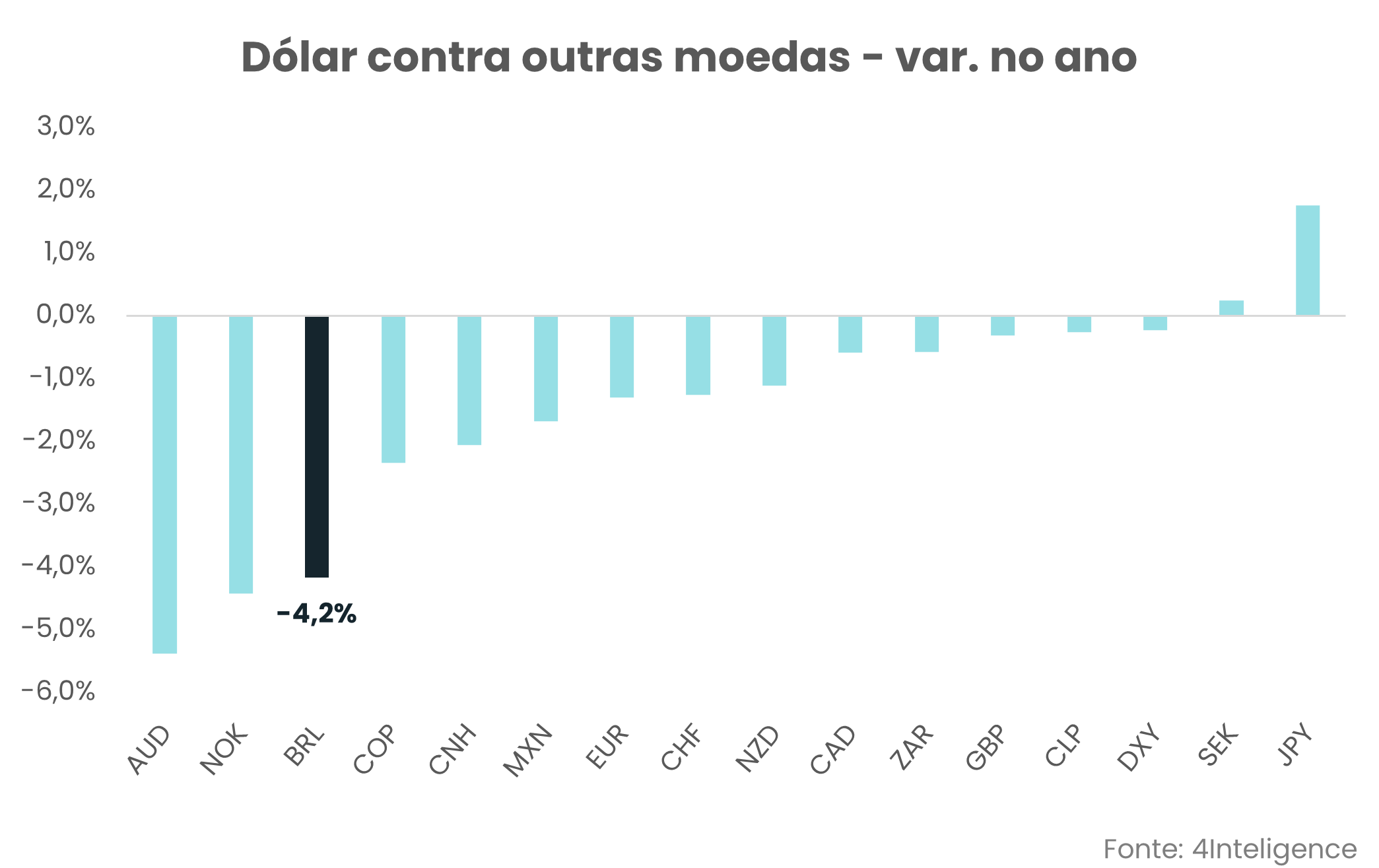
In times of uncertainty, confidence often shifts like the wind, changing direction at the slightest sign of instability. The global landscape of 2026 is a portrait of this: a mix of unprecedented geopolitical tensions, unpredictable economic policies, and a dollar that, curiously, weakened just when the world most expected a safe haven (see chart). Markets fluctuated throughout April as tensions between the U.S. and Iran escalated, with effects rippling across every corner of the globe.
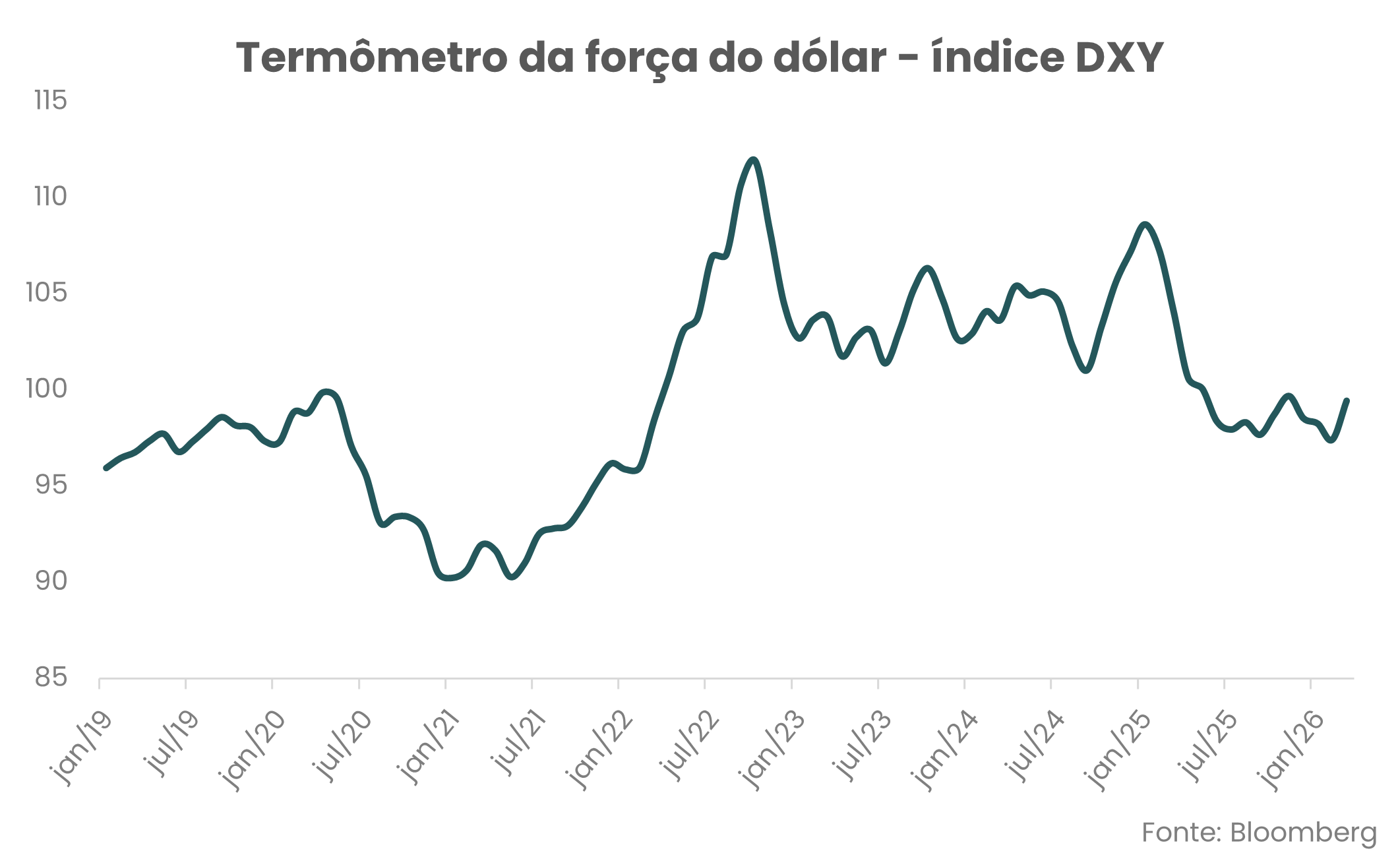
The epicenter of this geopolitical turbulence is the Middle East, where the conflict between the U.S. and Iran—which began in February—remains unresolved. Recently, the U.S. president extended the ceasefire while awaiting a unified proposal from the Iranian government, but maintained the naval blockade of the country's ports. Tehran, for its part, refuses to negotiate under threat and classifies the blockade as a violation of the truce. The impact on markets is profound: experts warn that it would take more than two years for oil production to return to normal, even if the war were to end today. Regarding exchange rates, the conflict has produced a paradoxical effect—instead of strengthening the dollar as a safe-haven asset, the combination of a prolonged war, Trump's tariff policy, and the loss of American credibility as an anchor for the global order has caused the DXY index to retreat to around 99 points, below the peaks observed throughout 2025 (see chart). Remember that the DXY is a thermometer that measures whether the dollar is strong or weak against other world currencies—the higher the number, the stronger the dollar.
And this is where one of the most intriguing paradoxes of 2026 lies: the dollar, historically the great beneficiary of global crises, has gone against the grain this time, as we saw above. The explanation lies in U.S. policy itself: the tariffs imposed by the Trump administration have shaken confidence in the dollar as a global reserve currency, and hedge funds have become increasingly bearish on the dollar as prospects for peace in the Middle East have advanced. For Brazil, this movement brought unexpected relief: the real appreciated, contributing (in part) to domestic inflation control—but it also sounded an alarm about the fragility of this improvement, which depends on external variables beyond our control.
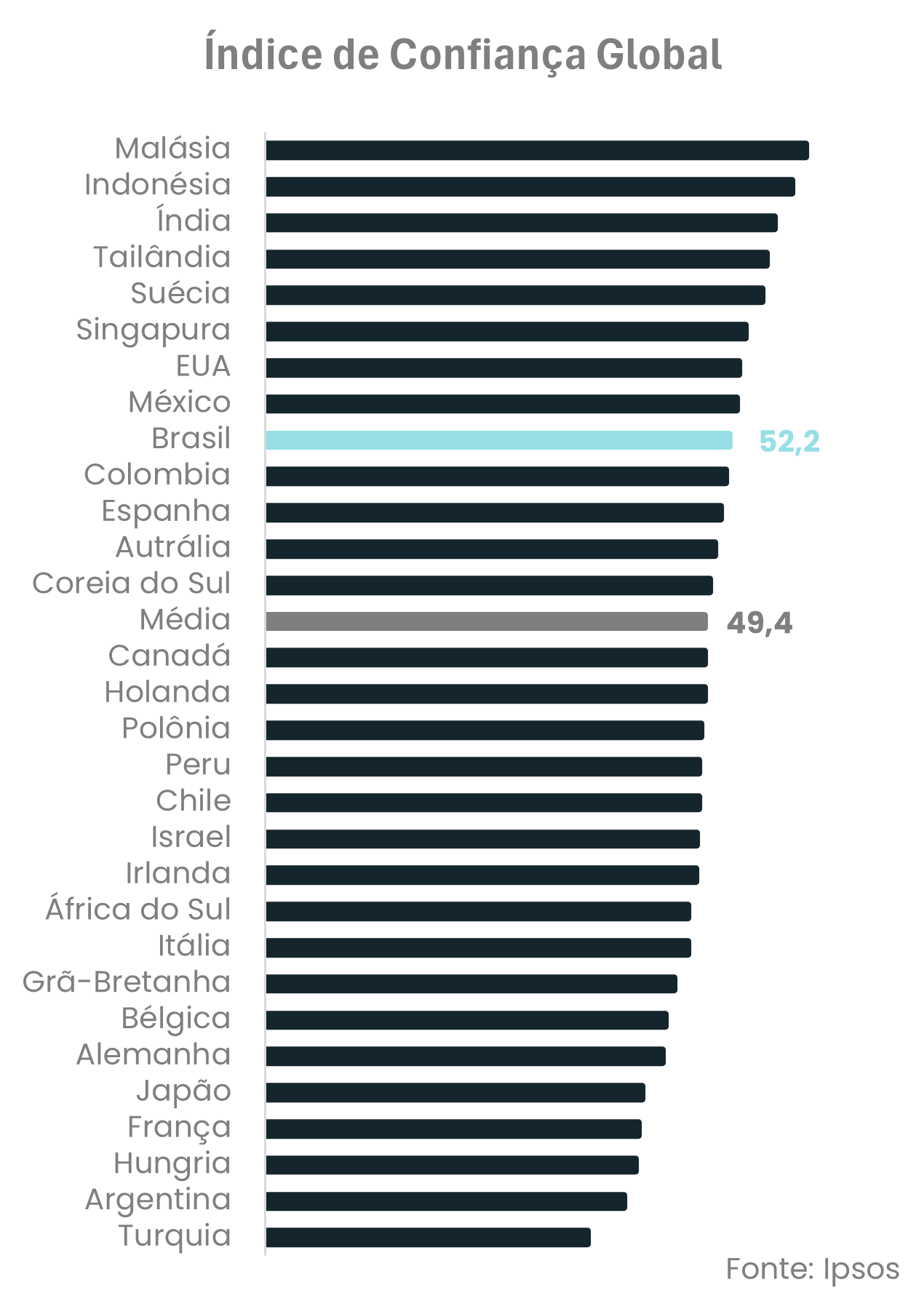
In Europe, for example, the expectation of low growth coexists with the scars of years of conflict and the challenge of reorienting supply chains in a global economic order that is being reconfigured, as the IMF noted in its latest quarterly report. Additionally, it is worth noting that in some economies, confidence indices have yet to return to pre-pandemic levels, and geopolitical uncertainty adds a new layer of caution for consumers and investors. It is worth highlighting a promising figure in international comparison: the Ipsos Consumer Confidence Index (CCI) rose to 52.2 points in March 2026, placing Brazil practically in the lead in the Americas and in ninth place globally, above the world average and ahead of economies like Spain and Colombia (see chart).
Speaking specifically about Brazil, we cannot say we are in a completely catastrophic scenario—far from it—but we also don't see a bed of roses ahead. There is a middle ground, as the wise would say. There are important structural issues still without answers (hello, fiscal policy!), and the proximity of the election calendar adds an extra ingredient of tension and anticipation that it would be naive to ignore.
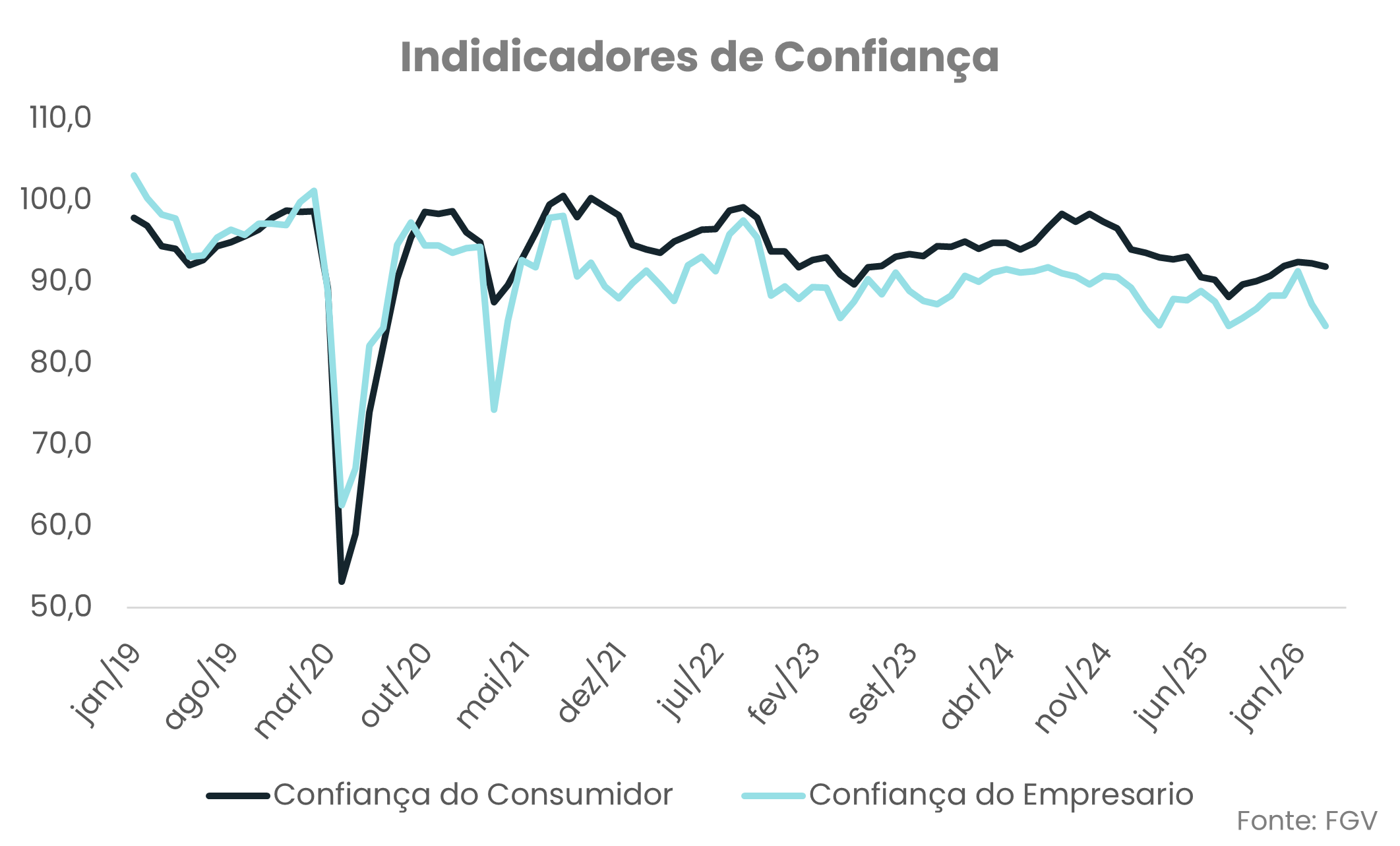
To give you an idea, the FGV Consumer Confidence Index (CCI) rose 2 points in March 2026, reaching 88.1 points—the best level since December 2025. The trajectory, however, has been bumpy: in February, the index had fallen 1.2 points to 86.1, pressured by deteriorating expectations and the more intense impact of restricted credit and still-high interest rates on lower-income families. Thus, what this important economic thermometer shows us is that we have a picture of confidence in recovery, but one that is still sensitive to any jolt—whether inflationary or political. According to FGV itself, which calculates the index, the positive result in March was driven mainly by improved expectations for the coming months, fueled by the perception of job stability, some control over inflation, and the start of an interest rate cut cycle. On the business side, however, the picture is less promising: for 36% of companies, the performance of the Brazilian economy in 2026 is expected to be worse than in 2025, with fiscal uncertainties and the cost of credit still weighing on investment plans, which caused confidence to dip in the most recent data (see chart).
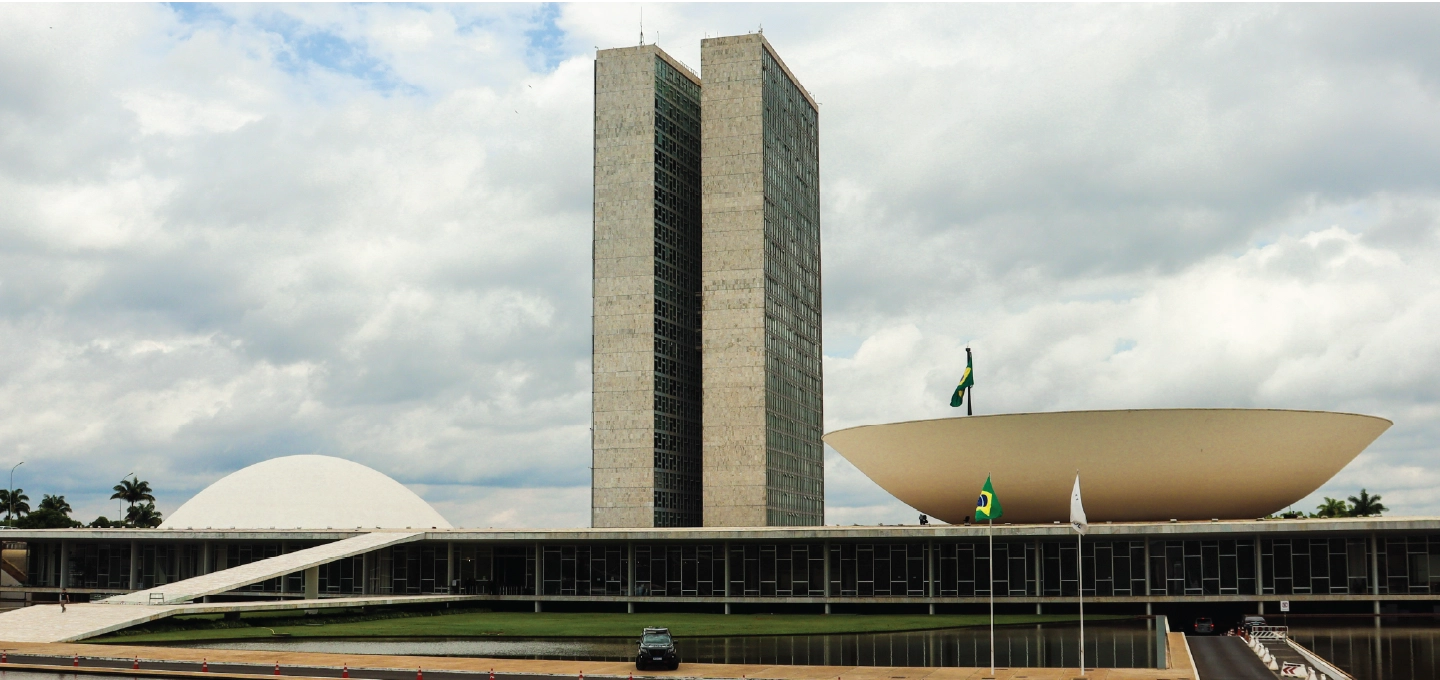
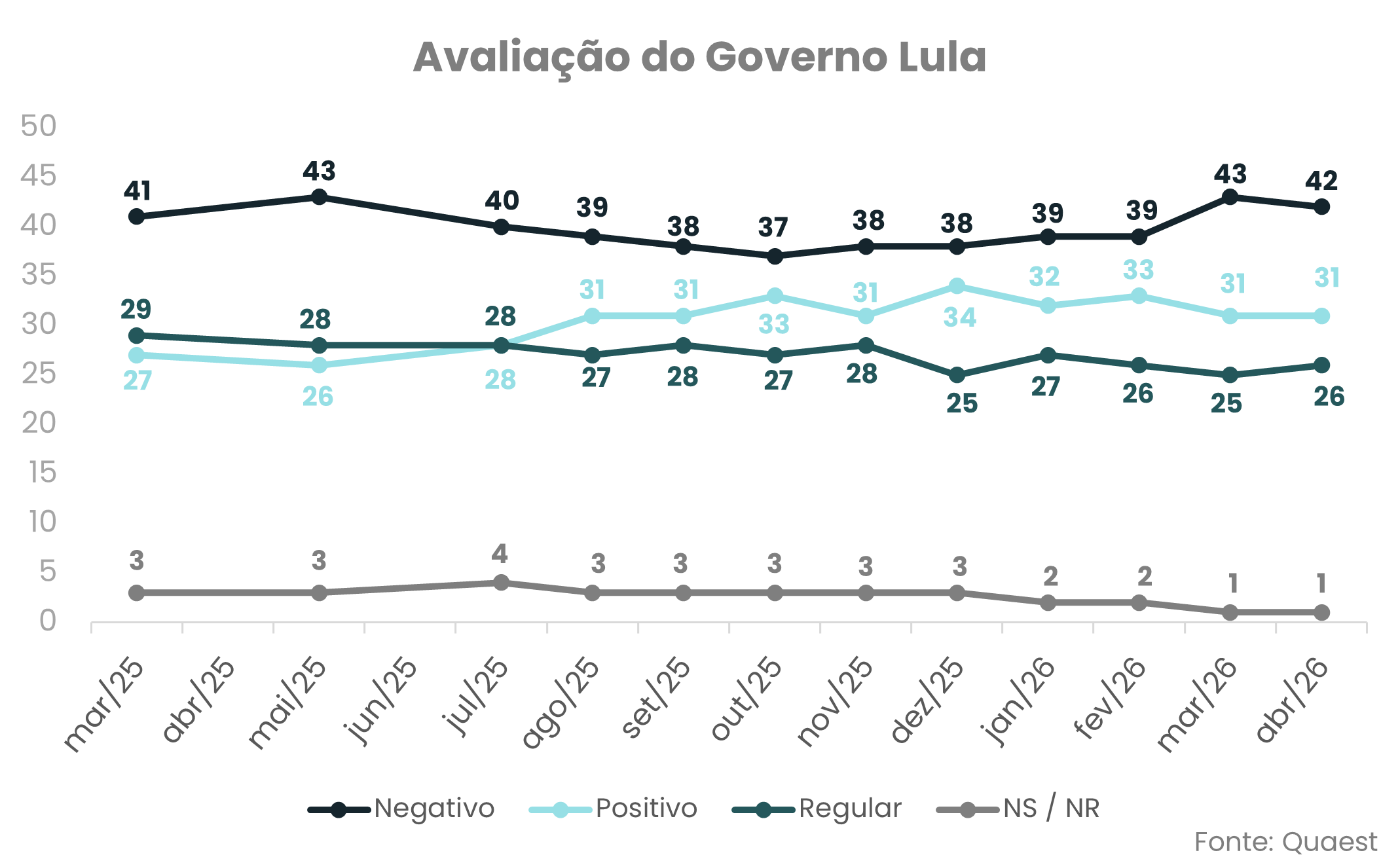
No analysis of confidence in Brazil in 2026 would be complete without addressing the elephant in the room: the presidential elections in October. The current president, Lula, continues to lead the polls, but with relatively contained approval ratings (see chart)—a sign that his lead is possibly more a product of a fragmented opposition than solid popularity. On the other side, the uncertainty that marked the opposition has given way to a more defined picture, with Flávio Bolsonaro consolidating himself as the right-wing candidate, with a high transfer of Bolsonarism's political capital and consistent gains in recent polls. For the markets, the change is significant: the definition of a competitive right-wing candidate reduces some of the institutional uncertainty associated with a lack of leadership, but it does not eliminate the risk. On the contrary, by making the outcome more contested, the scenario continues to justify higher risk premiums—not due to a lack of candidates, but due to the greater unpredictability of the election outcome.
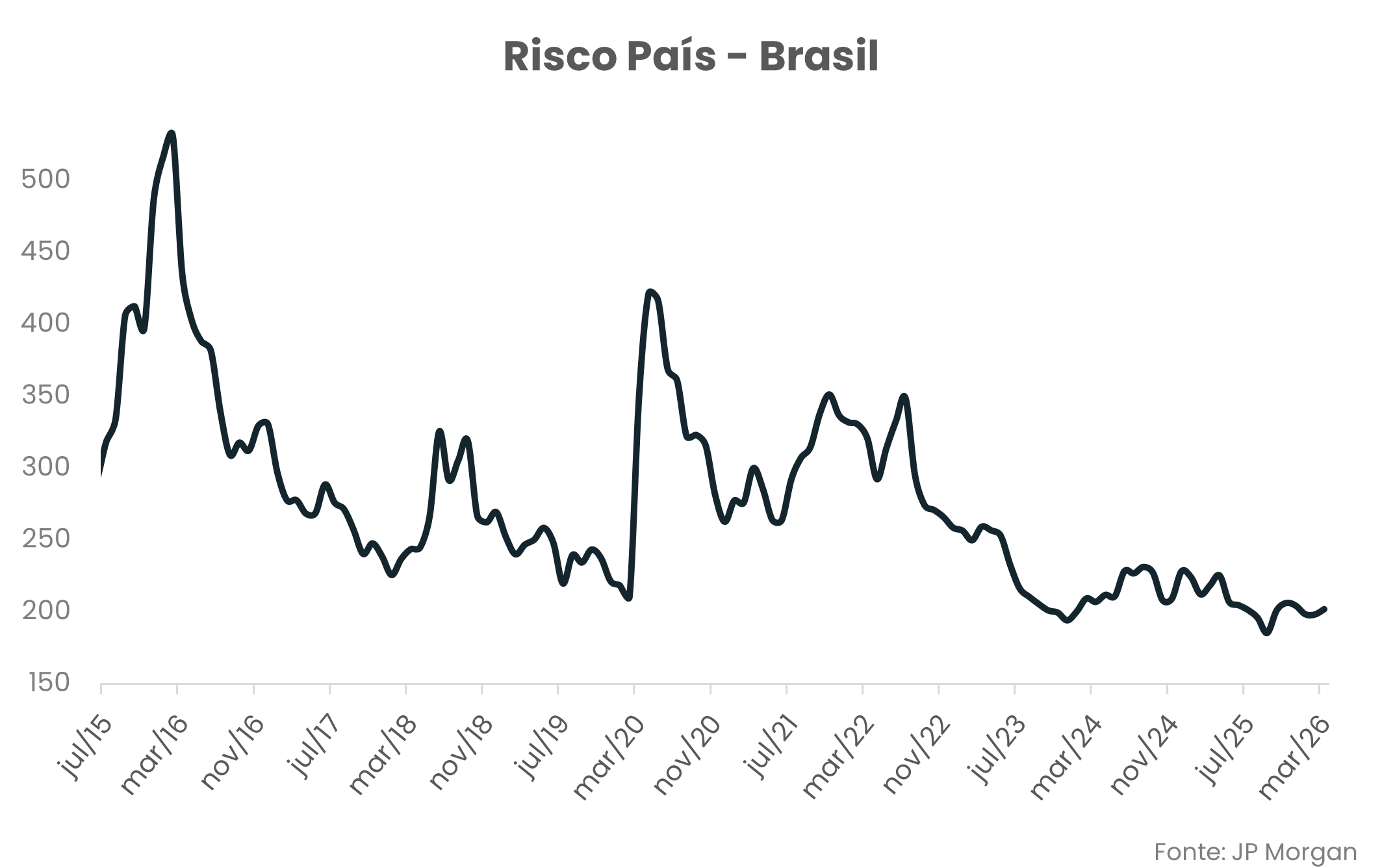
This effect is already visible. Despite a localized improvement in confidence indicators, Brazil's country risk rose again at the beginning of this year (see chart), interrupting the downward trend observed throughout 2025. The divergence between the perception of households—more optimistic about short-term employment and income—and the caution of business leaders and the financial market—focused on fiscal policy and the electoral landscape—accurately captures the moment we are living in. The income tax exemption for earnings up to R$5,000, a measure announced by the government, stimulates consumption among the middle classes, but also raises concerns about its impact on public accounts, fueling skepticism among those looking at medium-term fiscal sustainability.
For now, what we are seeing is a country in a holding pattern—cautious, but not paralyzed. A weaker dollar offers temporary relief, but it is relief that is beyond our control. The war in the Middle East, meanwhile, is a risk that could reignite at any moment, reversing some of the recent optimism. And the inevitable electoral calendar will take its toll in volatility over the coming months. What lies ahead will depend on how fiscal and monetary policies are managed—and how consumers and business leaders interpret these signals amidst the electoral fog. In times of uncertainty, more than ever, measuring confidence is also a way of measuring the economy's level of patience.

A summary of the main events of each day that may influence the exchange rate, all in less than 1 minute.
Listen nowThe Ouribank Group does not offer loans, credit or debit cards, and does not request or take responsibility for payments of bank slips or deposits into current accounts held by beneficiaries other than Ouribank S.A. Banco Múltiplo and Ouribank Group companies.
Be alert to any unusual practices for credit approval, such as advance payments. Be suspicious of emails that do not come from Ouribank, for example: @outlook, @gmail, @hotmail, etc., or messages via WhatsApp, Facebook, Instagram, and Telegram, or calls from third parties.
If you have any questions, please contact us at: 0800-771-4342 or (11) 4081-4444


Ouribank
CNPJ No. 78,632,767/0001-20 Ouribank Building
Av. Paulista, No. 1,728 - overstore, 1st, 2nd, 3rd, 4th, 5th, 7th and 11th floors
Bela Vista Zip Code - 01310-919
São Paulo - SP
Phone: (11) 4081-4444
Hearing Impaired Care:
(11) 3171-3003
P
Tamer Comunicação Empresarial
+ 5511 99602-1317
Gustavo Girotto
gugirotto@tamer.com.br
Ana Carolina Saito ana.saito@tamer.com.br

Social Media