About us

Solutions
Products
Content

Por
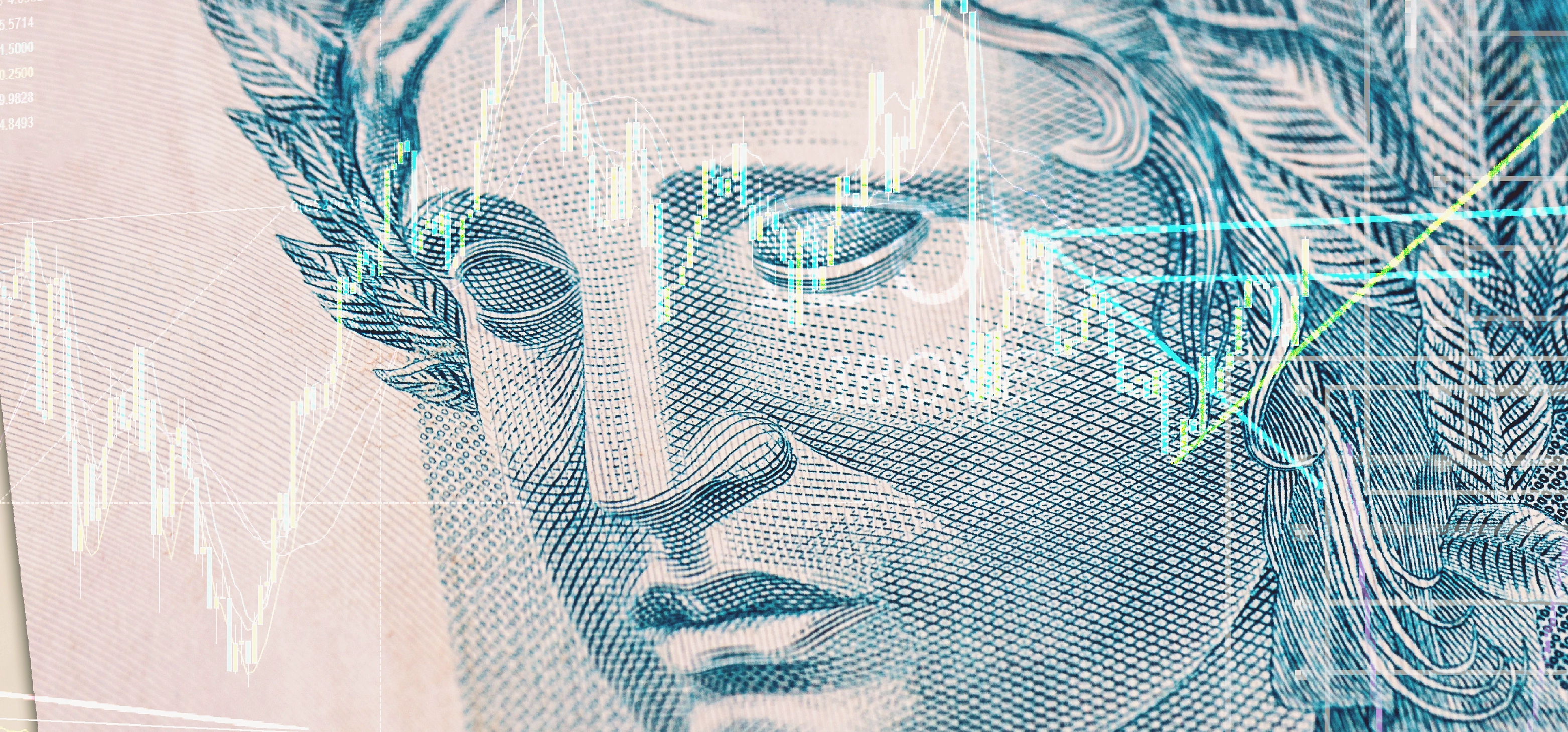
Before you get too excited, I should clarify that this isn't a forecast, just a humble guess based on the current state of affairs. That said, I’ll be clear: I think the exchange rate is high and the real is significantly undervalued. In other words, I don’t "like" seeing it so far from the R$4.00 mark. But what could change the current scenario?
But how did we get here? During August, when the currency saw a sharp devaluation, the real wasn't alone; all emerging market currencies saw their exchange rates rise, suggesting the main problem was external. Indeed, there was an unprecedented escalation in the US-China trade war, Argentina showed signs of returning to a more heterodox government (a term economists use for a government not particularly friendly to the liberal system the financial market loves), and, more recently, the prospect of a no-deal Brexit. These factors triggered a strong risk-off sentiment, wiping out any trace of investment flow into emerging markets.

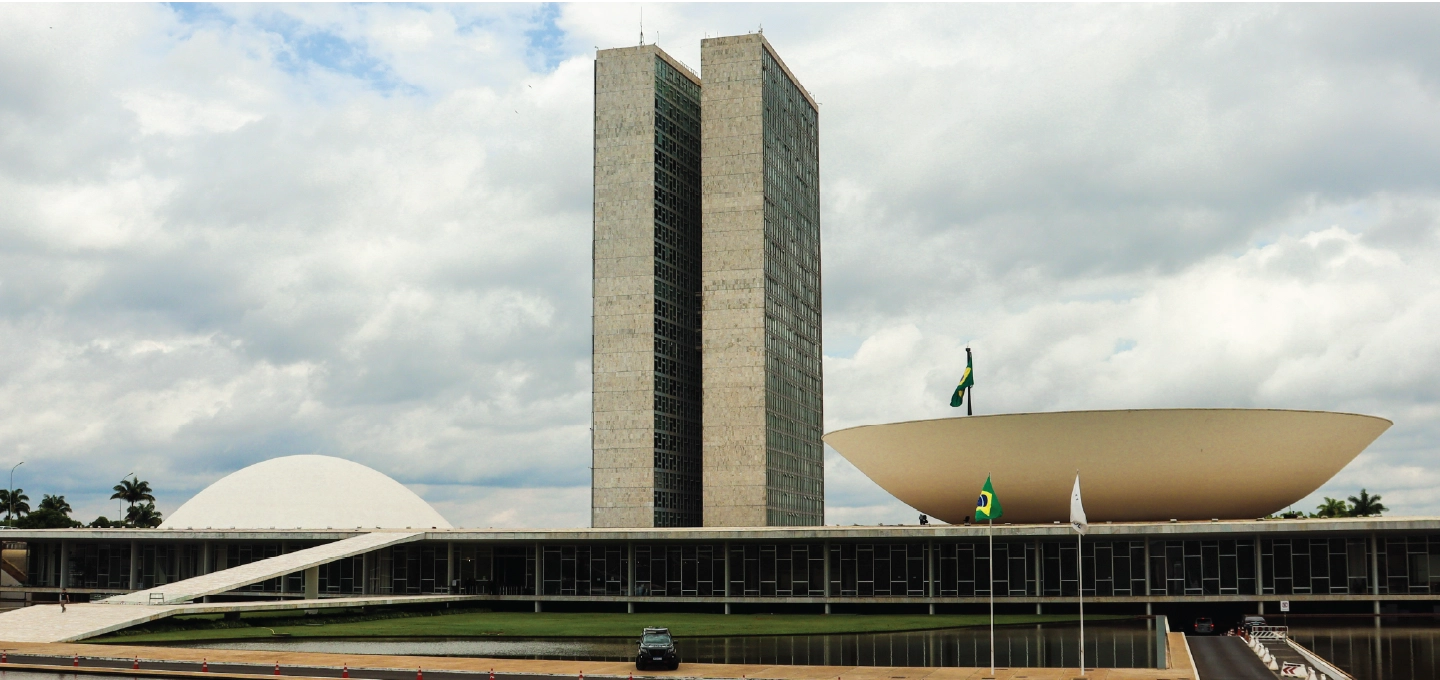
However, Brazil suffered more than all other currencies (excluding Argentina, of course), as the international news cycle focused more on the government's weak stance regarding the Amazon fires and questionable comments from key leaders in Brasília than on the positive progress within Congress that we saw between June and July.
Given this scenario, looking ahead, a drop in the exchange rate depends on seeing Brazil's outlook actually improve and recover consistently (i.e., confidence + investment decisions). I believe many foreign investors are not positioned in Brazil (look at how negative the financial flow is), and a trigger to start taking risks on local positions would be the continuation of the reform agenda after pension reform, along with signs of consistent growth. In other words, we need to be a compelling story to tell amidst the murky international landscape.
Today, we face a crucial issue: fiscal accounts. Pension reform was a great first step, but it is not enough. Investors are hungry for consistently good news to deploy their capital. We need many more reforms, which are currently being discussed, such as tax reform, but we need to see them progress. We need the rollout of privatizations, a spotlight on concessions, and continued action from the ministers the market is betting on: Paulo Guedes at the Ministry of Economy and Tarcísio de Freitas at the Ministry of Infrastructure.
If we can achieve this combination, there is a strong chance we will see the exchange rate drop below R$4.00 in a short time—remember how quickly these moves can happen. Furthermore, we have a Central Bank willing to intervene in the market: it started with a sale of $3.8 billion in reserves in August and accelerated to $11.6 billion this month. Another possible path is a decrease in US interest rates (which can generate interest in countries with higher yields) combined with a drop in Brazilian interest rates (which can suggest institutional gains and increase confidence).
Personally, I believe we will move, albeit gradually, toward a milder exchange rate compared to current levels. But the risks are latent, and we need to focus on doing our homework to get our house—our country—in order and be a good story to tell.
However, I think the honeymoon phase we saw between last June and July is behind us; there are too many problems and too much risk (in other words, I wouldn't count on seeing R$3.70 again; I prefer something around R$3.90). If things go wrong, or continue to go wrong, we could reach R$4.30, but I’m not counting on that. In short: it will come back, but there are risks—many risks.


A summary of the main events of each day that may influence the exchange rate, all in less than 1 minute.
Listen nowThe Ouribank Group does not offer loans, credit or debit cards, and does not request or take responsibility for payments of bank slips or deposits into current accounts held by beneficiaries other than Ouribank S.A. Banco Múltiplo and Ouribank Group companies.
Be alert to any unusual practices for credit approval, such as advance payments. Be suspicious of emails that do not come from Ouribank, for example: @outlook, @gmail, @hotmail, etc., or messages via WhatsApp, Facebook, Instagram, and Telegram, or calls from third parties.
If you have any questions, please contact us at: 0800-771-4342 or (11) 4081-4444


Ouribank
CNPJ No. 78,632,767/0001-20
Ouribank Building
Av. Paulista, No. 1,728 - overstore, 1st, 2nd, 3rd, 4th, 5th, 7th and 11th floors
Bela Vista Zip Code - 01310-919
São Paulo - SP
Phone: (11) 4081-4444
Hearing Impaired Care:
(11) 3171-3003
P
Tamer Comunicação Empresarial
+ 5511 99602-1317
Gustavo Girotto
gugirotto@tamer.com.br
Ana Carolina Saito ana.saito@tamer.com.br

Social Media